
Do Medical Alert Systems Keep Older Adults Safe and Independent?
An emergency at home can change everything, making the speed of help critical. This article reviews research on medical alert systems, how they support safety, independence, and peace of mind for older adults and caregivers, and why many families delay adopting them.
Why Quick Access to Help Matters
Health emergencies at home can take many forms, including falls, sudden illness, medication-related issues, or worsening chronic conditions. In these situations, timely access to help is often the most important factor in preventing complications and supporting recovery.
What increases risk is not always the event itself, but the delay in receiving assistance. When an older adult cannot easily access help, even for a short period without support, they face severe and escalating health consequences.
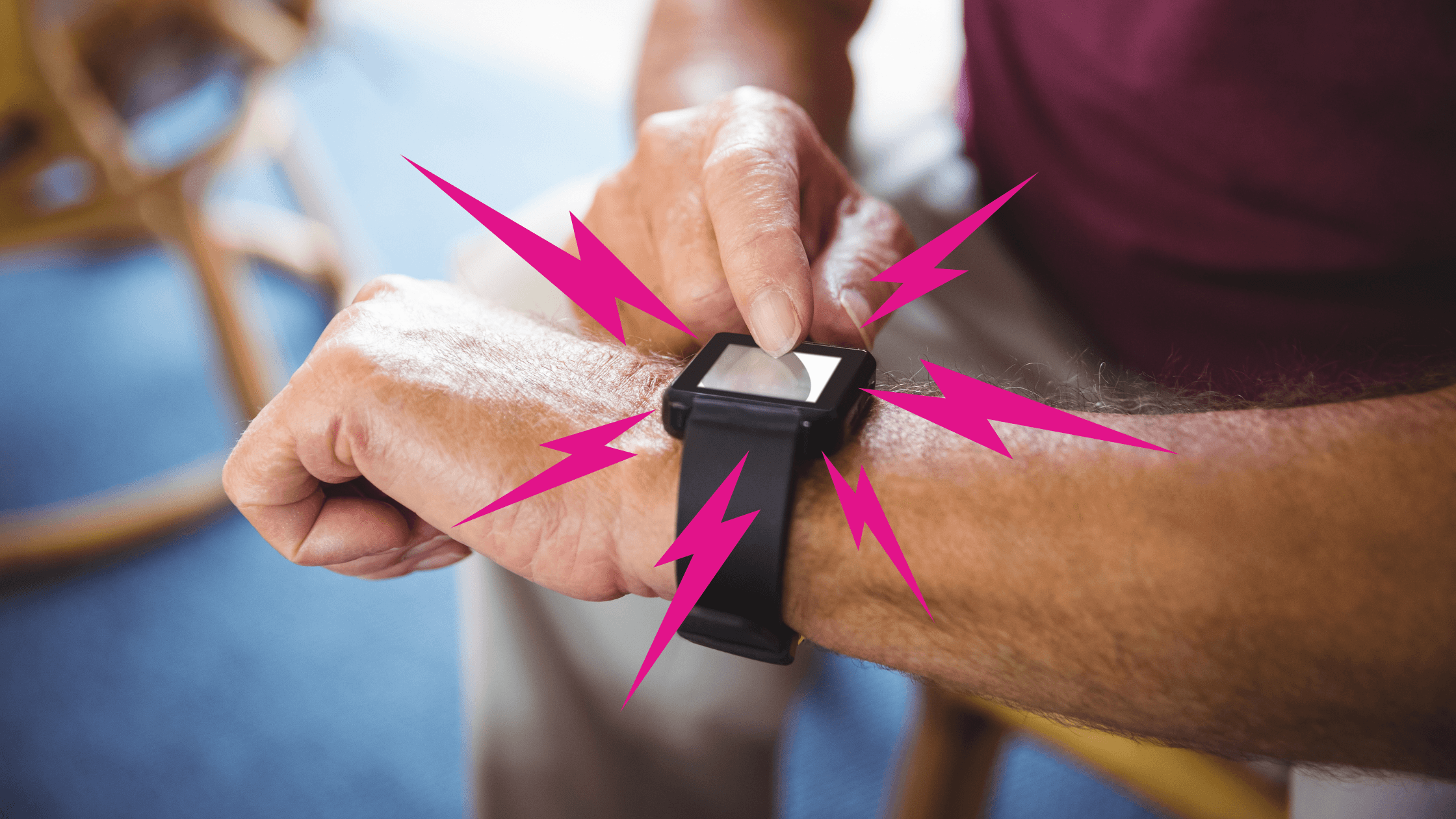
Medical alert systems are designed to reduce this delay. Also known as personal emergency response systems (PERS), these devices connect individuals to monitoring centres or caregivers through wearable buttons or home-based units, enabling a rapid response during emergencies1.
What the Research Actually Shows
So, do these systems make a difference? For many families, evidence suggests yes. Older adults who use a medical alert system regularly report feeling more confident about living independently, and family caregivers consistently describe it as a source of peace of mind, especially when they are not able to be there in person2. This benefit extends to the family, where caregivers feel more at ease knowing they can be alerted if something is wrong, even from a distance3. Recent research also suggests that older adults who use remote monitoring technology spend more days safely at home and are less likely to need hospital-level care4.
But owning a device is not the same as being protected by one. Some older adults keep the pendant in a drawer or leave it in one room rather than wear it throughout the day. Others hesitate to press the button when they need help because they do not want to be a burden2.
There are also some limits to keep in mind. Most traditional systems require the user to press a button. But in some situations, such as confusion or loss of consciousness, that may not be possible. Newer systems are starting to address this by using sensors that can detect changes, such as a fall or unusual activity, and automatically send an alert. These options can be especially helpful for people who may have trouble remembering or consistently using a device4.
Why So Few Families Act Before a Crisis
Even with the benefits, most older adults do not have a medical alert system. The decision almost always comes after an emergency, not before. Many older adults resist because they do not feel they need one yet, feel embarrassed about wearing a visible device, or worry about overreacting when they press the button2. These feelings are common, and families often find themselves caught between wanting to respect their loved one's independence and knowing the risk is real.
Cost is another barrier. Monthly fees for PERS range from about $30 to $706, not including initial setup costs. While this may seem manageable, it can feel unnecessary if there has not yet been a clear incident.
Start the Conversation Early
PERS are one part of a larger picture. An alert system alone does not reduce anxiety or prevent repeated hospitalization. These systems are most effective when paired with other supports, such as home modifications, exercise, and professional guidance, which gives families the strongest foundation for aging at home safely3,5. Starting the conversation before a crisis means more options, more time to find the right fit, and less pressure.
Sources
Want to dig deeper into the research? Here are the key sources referenced in this article:
AGE-WELL – Research Roundup Personal Emergency Response Systems (2025)
BMC Geriatrics – Purchasing and Using Personal Emergency Response Systems (PERS): how decisions are made by community-dwelling seniors in Canada (2015)
Gerontechnology – Family and friend caregiver satisfaction and utility of passive remote monitoring technology utilized by frail home care clients (2024)
Canadian Journal on Aging – Passive Remote Monitoring and Aging in Place: A Scoping Review (2022)
Public Health Agency of Canada – The Safe Living Guide - A Guide to Home Safety for Seniors (2015)
University Health Network – Personal Alarm Services (2020)