
If You Only Modify One Room, Make It the Bathroom
The bathroom is one of the highest-risk areas in the home for older adults. A single fall can lead to hospitalization, loss of independence, or a move to long-term care. Learn which modifications make the biggest difference and take the first step.
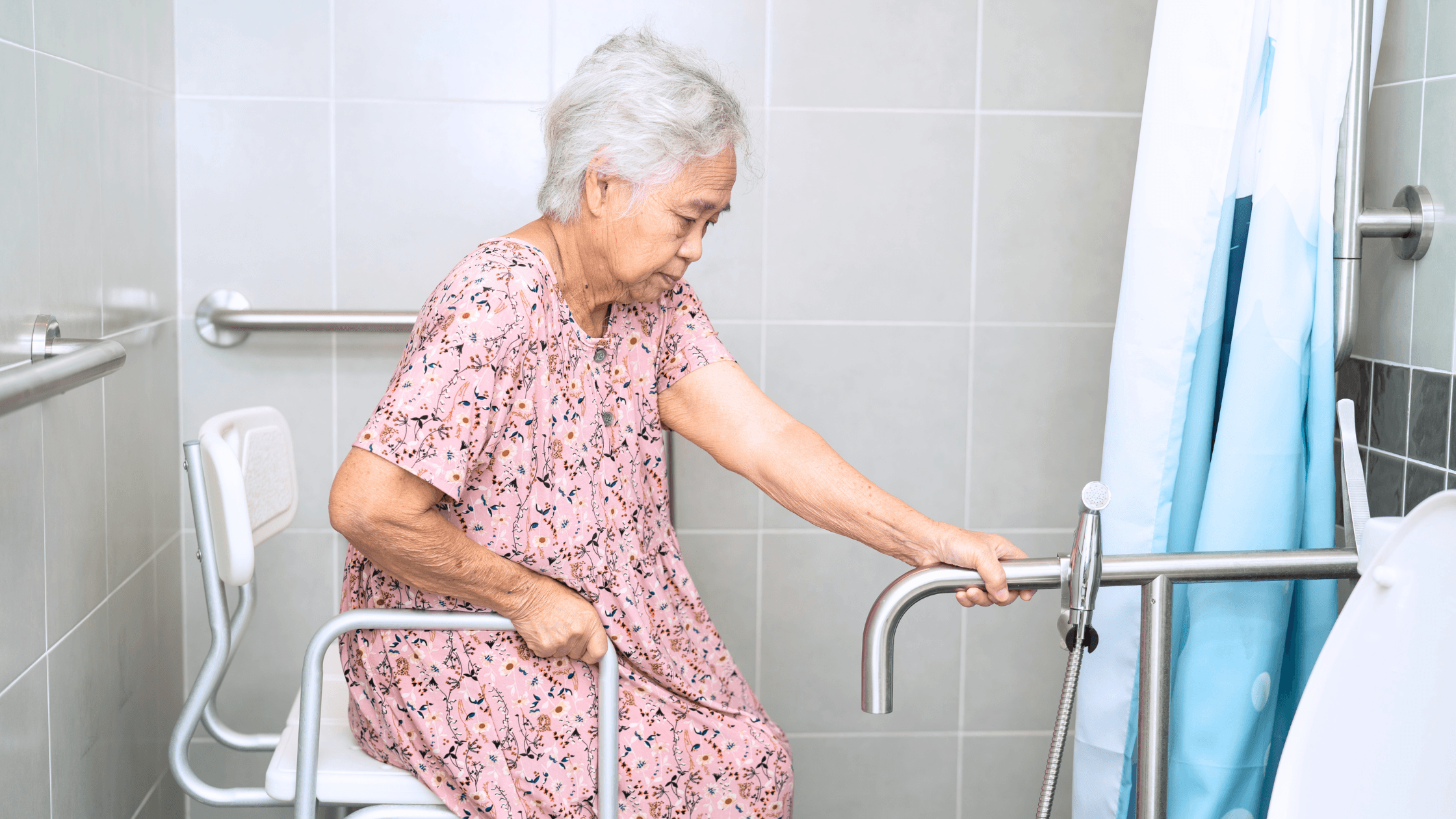
Why Start with the Bathroom?
Falls are the leading cause of injury-related hospitalization among older adults in Canada, with half occurring at home. While falls occur throughout the home, the bathroom is consistently identified as one of the highest-risk environments1.
Although bathroom falls happen less often than falls in other parts of the home, they are more likely to result in serious injury, including fractures and head trauma. One widely cited international study found falls in the bathroom are 2.4 times more likely to cause injury and hospitalization compared to falls in any other part of the home2.
Three factors drive this risk2:
Wet slippery floors – from showers, baths, and condensation.
Low-clearance, tight transfers – sitting down or standing up from the toilet, and stepping in or out of the tub.
Frequent use at vulnerable times – early morning, middle of the night, or when taking medications that affect balance.
These risks are amplified by age-related changes such as reduced balance, slower reaction time, muscle weakness, and vision decline.
Evidence-Based Bathroom Modifications That Reduce Fall Risk
Bathroom modifications are among the highest-return investments in home safety because they target high-risk, everyday activities like bathing and toileting. The following are some of the changes that can address environmental fall risks at home:
Grab bars in transfer zones – Provide a stable handhold during high-risk moments, such as getting in and out of the shower or standing from the toilet, where balance is most likely to be challenged.
Non-slip flooring and bath surfaces – Improve traction on wet surfaces, reducing the risk of slipping during bathing or when exiting the shower.
Better lighting and night lighting – Improve visibility, especially at night. Motion sensor or low-level lighting reduces missteps when tired or disoriented.
Shower chair or bench – Sitting during bathing reduces balancing demands and fatigue. For caregivers, it also makes bathing assistance safer and less physically demanding.
Handheld showerhead – Reduces the need to reach, twist, or reposition, making bathing more controlled and manageable for individuals with limited mobility or balance concerns.
Raised toilet seat or comfort-height toilet – Toileting is a frequent activity, and raising the seat height makes sit-to-stand transitions safer and easier.
Before Modifying the Bathroom, Consider How to Get to It
A fully accessible bathroom only works if the person can reach it safely. Two things matter most:
A step-free entrance to the home.
A bathroom located on the same level as that entrance.
In many older homes, the only full bathroom is upstairs. As mobility changes, stairs can become a barrier, limiting the benefit of any modifications. Similarly, an inaccessible entrance creates risk before the home is even entered. While these changes are not always urgent, it is important to plan early when more options are available and costs are lower.
Sources
Public Health Agency of Canada – Surveillance Report on Falls Among Older Adults in Canada (2022)
Injury Epidemiology – Circumstances and outcomes of falls among high risk community-dwelling older adults (2014)
Assistive Technology – The influence of home modifications on falls in community-dwelling older adults: A systematic review (2026)
Safer Bathrooms, Safer Bathing - Getting a Grasp on Grab Bars (2024)
Public Health Agency of Canada – The Safe Living Guide - A Guide to Home Safety for Seniors (2015)