
What Every Family Needs to Know About Falls at Home
About half of all fall-related hospitalizations in older adults happen at home¹. Falls are common and serious, but knowing the risks changes everything. Discover the latest Canadian data, understand who's most vulnerable, identify high-risk areas in the home, and learn where to take action.
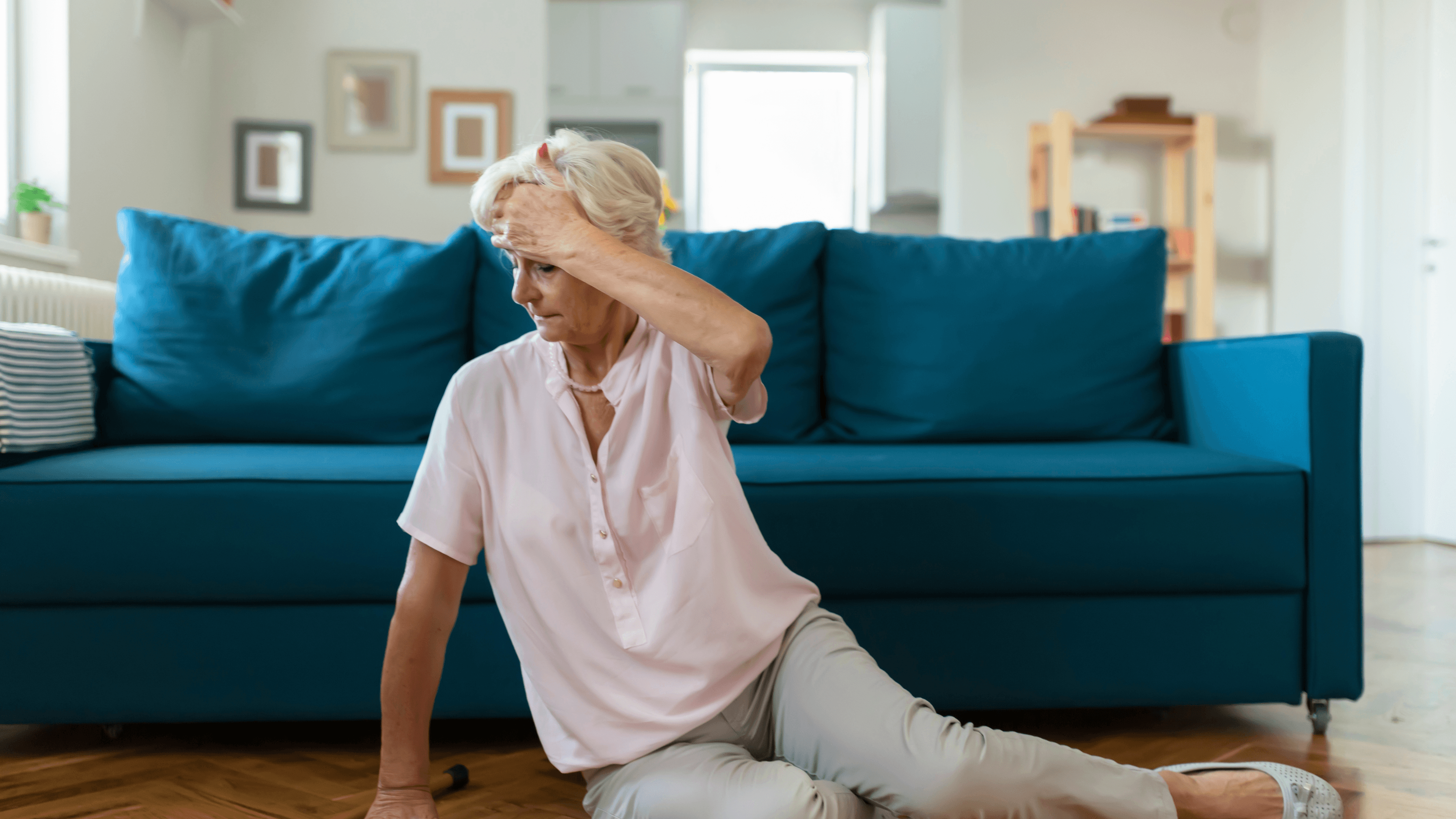
Fall Statistics We Can’t Ignore
Canada's latest surveillance data reveals an accelerating crisis. The impact is far-reaching, both personal and systemic. For individuals and families, a serious fall does not just affect physical health; it can trigger feelings of fear, stress, and helplessness for everyone involved. Older adults, aged 65 and older, account for 89% of fall-related injury hospitalizations, and these events often lead to hospital stays that are 9 days longer than average for those over 65 years1. Over one-third of these hospitalizations involve hip fractures1, an injury that often permanently alters someone's ability to live independently. For many, the loss of mobility and confidence that follows contributes to an earlier move into long-term care.
The direct healthcare cost reached $5.6 billion in 20182, and almost one in five people (19.5%) is aged 65 or older in 2025, with a projected increase of 22.6% to 32.5% by 20753.
Who’s at Risk for Falls
Falls aren't evenly distributed. Approximately 30% of older adults report a fall each year, with significantly higher rates among women, adults aged 80 and older, people living alone, and those with lower incomes4.
The causes are multifaceted: decreased mobility and balance, muscle weakness, visual impairment, medication side effects, chronic conditions, and, critically, home environments that haven't adapted to changing needs, with certain areas being particularly high risk1:
Bathrooms – Slippery surfaces and getting in/out of the tub or shower.
Stairs – Trips or missteps on steps, especially without handrails.
Bedrooms – Clutter, loose rugs, or getting in/out of bed at night.
Living areas – Furniture, cords, or uneven flooring that can cause trips.
Kitchens – Reaching for items, spills, or carrying heavy objects.
There's also a psychological component. Falls create fear of falling, leading to reduced activity, weakened muscles and balance, and further increased fall risk. This cycle: fear can lead to falls, and falls intensify fear4, making emotional support as important as physical modifications.
Prevent Falls at Home Today
Beyond the immediate healthcare burden, falls carry hidden costs: loss of independence, increased care needs, family strain, and the psychological toll of fear and reduced mobility. Many older adults who experience a serious fall never fully regain their previous level of function.
The good news is that many falls are preventable. With the right combination of awareness, home modifications, lifestyle changes, and medical support, older adults can significantly reduce their risk of falling. Taking proactive steps not only helps maintain independence but also enhances the overall quality of life.
Sources
Want to dig deeper into the research? Here are the key Canadian sources referenced in this article:
Public Health Agency of Canada – Surveillance Report on Falls Among Older Adults in Canada (2022)
Parachute Canada – Cost of Injury in Canada Report (2021)
Statistics Canada – Population Projections for Canada (2025 to 2075), Provinces and Territories (2025 to 2050) (2026)
Canadian Medical Association Journal – Falls in older adults (2025)