
Caregiving Young: My Story as a Daughter and Interpreter
Caregiving for my mom meant showing up at every appointment as her daughter, her interpreter, and the person helping her hold everything together. It took me years to realize I didn't have to do it alone, and you don’t need to either.
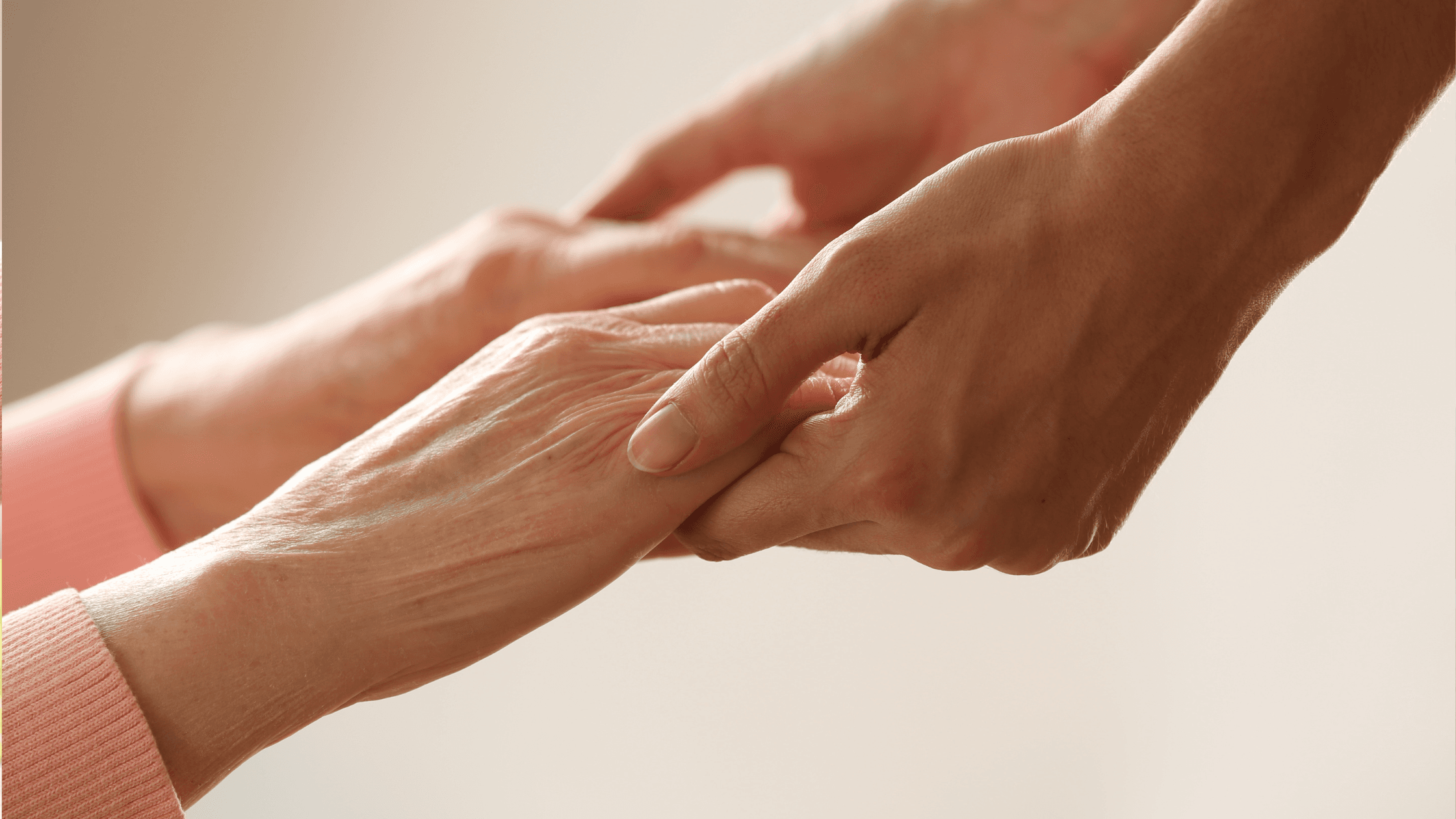
I had just finished university when my mom was diagnosed with cancer. At the time, I was still trying to figure out what I wanted my life to look like. Then, suddenly, that question no longer mattered. For the next ten years, caregiving became the center of my world.
Hospital visits became a constant need, and I had to quickly learn about her diagnosis, what each appointment meant, and how to navigate a system that was completely new to me. There was no guide, only the need to hold on and do whatever had to be done in each moment: surgery, chemotherapy, and everything that followed.
On top of all of that, I was also my mom's interpreter. She spoke Vietnamese, and while professional interpreters were available at the hospital, my mom was a private person who preferred having a family member there instead.
What most people don't think about is that translating medical information is not just a language problem. Even when I found the right Vietnamese word, it was still a medical term. It was still a word we were both unfamiliar with. So, I would have to set the word aside entirely and just describe what was happening in plain language, breaking it down further until something landed. It often got confusing and frustrating for both of us, while we were already exhausted.
My mom also often softened how she described her symptoms, even when they were clearly more serious. In her own way, it was an expression of love, an effort not to burden others with the full extent of what she was going through. This meant I found myself constantly reading between the lines, trying to understand what was actually happening, and making sure I could communicate it clearly to her care team.
Through all of this, I never once thought of myself as a caregiver. I was just her daughter doing what needed to be done. It sounds strange to say now, but that word simply never applied to me in my own mind. Because it didn't, it never occurred to me that the resources and communities that existed for caregivers were also meant for me.
I tried talking to my friends, but despite their best efforts to be supportive, they weren’t in the same situation, and I remember feeling like it was just a story to them. I was living it, and they weren't. There is only so much someone can say before they don't know what else to say. My circle started getting very small, and eventually, I stopped talking to anybody about it.
Within my family, caring for my mom was simply expected. That is just what you do for family. But at the same time, the expectations for my own life didn't ease up. I had just graduated from university, and I was expected to move into the next stage of life: finding a job and building a career. I was trying to do all of that while caregiving for my mom. Managing appointments, translating, showing up, and quietly wondering why I couldn't keep up with everything the way everyone around me seemed to think I should be able to. I was so overwhelmed and so focused on getting through each day that even if support was offered along the way, I honestly don't remember it registering.
It wasn't until the last year of caregiving that I stumbled upon Wellspring and learned there was peer support for people in similar situations. By then, I had already figured out how to navigate most of it on my own.
What struck me was not just that the support existed, but that it had always been there. I had spent years doing this alone without knowing I didn't have to. Finding it so late made me realize how much of that weight could have been shared earlier and how different things might have felt if I’d known sooner that others were going through the same thing and gathering to talk about it.
You may not call yourself a caregiver yet. I didn't for a long time. But if you are carrying something like what I described, you don't have to carry it alone. Seek out support early, before it feels too heavy or becomes a role you think only you can hold.
If that isn’t possible, spend some quality time with the person you’re caring for. Give them a hug, go for a walk, or do something fun with them. I know how easy it is to feel alone. I had my mom the entire time, but I would forget and think I was on my own.
Just try to remember that there are many others who have faced their own version of what you are going through, and you just need to find them. Other young caregivers are out there. The communities and resources exist.
If you need someone who has been through it, I am happy to be that person. Reach out anytime.